Sugaring—an ancient hair removal technique using a paste made from sugar, lemon, and water—has emerged as one of the most requested services in Australian salons. As clients become increasingly conscious about ingredients, sustainability, and gentle beauty treatments, sugaring offers a natural alternative that delivers effective results with less irritation than traditional waxing.
Understanding the sugaring trend and its appeal helps you serve clients seeking natural hair removal options. Whether you’re considering adding sugaring to your services or want to discuss options knowledgeably with clients, this guide covers what you need to know.
At Australian Beauty School, our Certificate in Waxing teaches professional hair removal techniques, providing the foundational knowledge for exploring various hair removal methods including sugaring.
What Is Sugaring?
The Basics
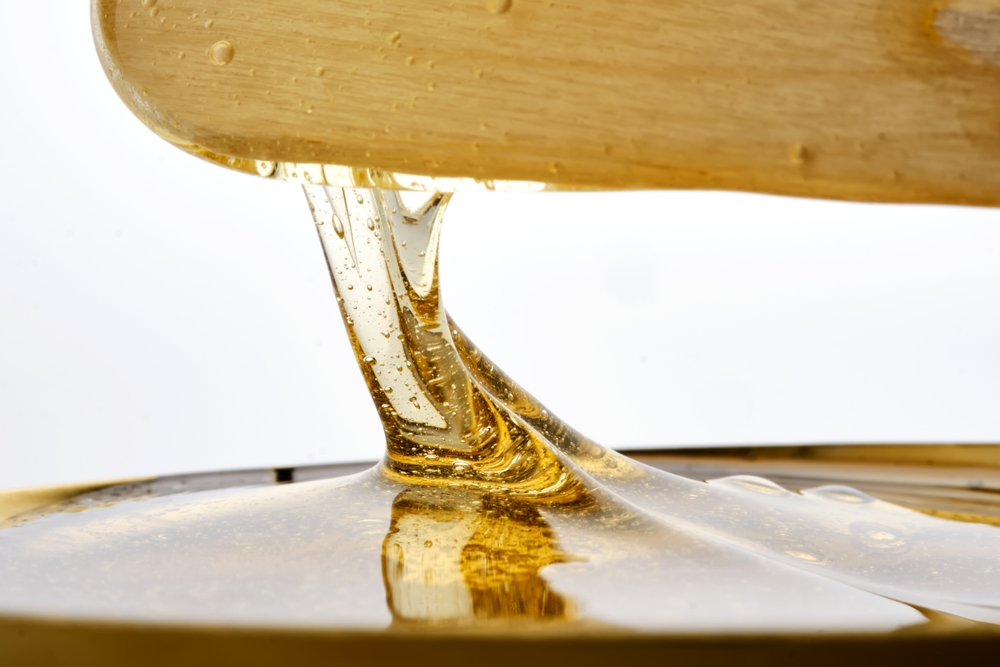
Sugaring uses a paste made from three simple ingredients: sugar, lemon juice, and water. This paste is applied to skin and removes hair from the root, similar to waxing but with key differences in technique and properties.
The Sugar Paste: When heated and combined correctly, these ingredients create a pliable, honey-like paste that adheres to hair and removes it effectively. The simplicity of ingredients appeals to naturally-minded clients.
Ancient Origins: Sugaring originated in ancient Egypt and Middle East, making it one of humanity’s oldest hair removal methods. This heritage appeals to clients interested in traditional beauty practices.
How Sugaring Differs from Waxing
Key Differences:
| Factor | Sugaring | Waxing |
|---|---|---|
| Ingredients | Sugar, lemon, water | Resins, additives, various |
| Temperature | Body temperature or lukewarm | Hot |
| Application | Against hair growth | With hair growth |
| Removal | With hair growth | Against hair growth |
| Skin adhesion | Minimal | Adheres to skin |
| Reapplication | Can pass over area multiple times | Should not repeat |
| Cleanup | Water soluble | Requires oil/solvent |
Why Sugaring Is Trending
Natural and Clean Beauty Movement
Ingredient Transparency: Clients increasingly scrutinise beauty product ingredients. Sugaring’s three-ingredient simplicity appeals to the “clean beauty” movement.
No Synthetic Chemicals: Unlike many waxes containing resins and additives, sugar paste is entirely natural. This matters to eco-conscious and health-conscious clients.
Hypoallergenic: Natural ingredients mean fewer allergic reaction risks. Clients with sensitive skin or allergies often prefer sugaring.
Gentler Hair Removal
Reduced Pain Perception: Many clients report sugaring is less painful than waxing. The technique and lower temperature contribute to increased comfort.
Less Skin Trauma: Sugar paste adheres to hair more than skin, similar to hard wax but with additional benefits. This means less pulling on skin and reduced irritation.
Suitable for Sensitive Skin: Clients with eczema, psoriasis, rosacea, or generally sensitive skin often tolerate sugaring better than waxing.
Sustainability Appeal
Minimal Waste: No strips required (traditional sugaring uses paste directly). Paste is biodegradable.
Natural Ingredients: Environmentally conscious clients appreciate the simple, natural formulation.
Often Local/Handmade: Many sugaring practitioners make or source locally-produced paste, supporting sustainability values.
Long-Term Hair Reduction
Consistent Results: Regular sugaring, like waxing, can lead to finer, sparser hair regrowth over time.
Complete Follicle Removal: Proper technique removes hair completely from the follicle, providing longer-lasting results than shaving.
The Client Experience
What Clients Love
Less Redness: Many clients experience less post-treatment redness compared to waxing.
Gentler on Skin: Paste doesn’t adhere to skin, reducing irritation.
Natural Feel: Knowing exactly what’s being applied to their body appeals to many clients.
Effective Results: When performed correctly, sugaring provides results comparable to waxing.
Easy Cleanup: Sugar paste is water-soluble—any residue washes off easily.
Client Consultation Points
When Clients Ask About Sugaring:
Explain the process: “Sugaring uses a paste made from sugar, lemon, and water. It’s applied against hair growth and removed with the direction of growth, which many find gentler than waxing.”
Manage expectations: “Results are similar to waxing—smooth skin lasting several weeks. Some clients find it less irritating, especially in sensitive areas.”
Discuss suitability: “Sugaring works well for most people, especially those with sensitive skin or who prefer natural products.”
Comparing Client Experiences
Sugaring May Suit Better When:
- Client has sensitive or reactive skin
- Client has had irritation from waxing
- Client prefers natural products
- Client is concerned about ingredients
- Client finds waxing too painful
Traditional Waxing May Suit Better When:
- Client is satisfied with current waxing results
- Time efficiency is priority (soft wax on large areas)
- Client has very coarse hair that responds well to hard wax
- Client has no ingredient concerns
Sugaring Technique Overview
Application Method
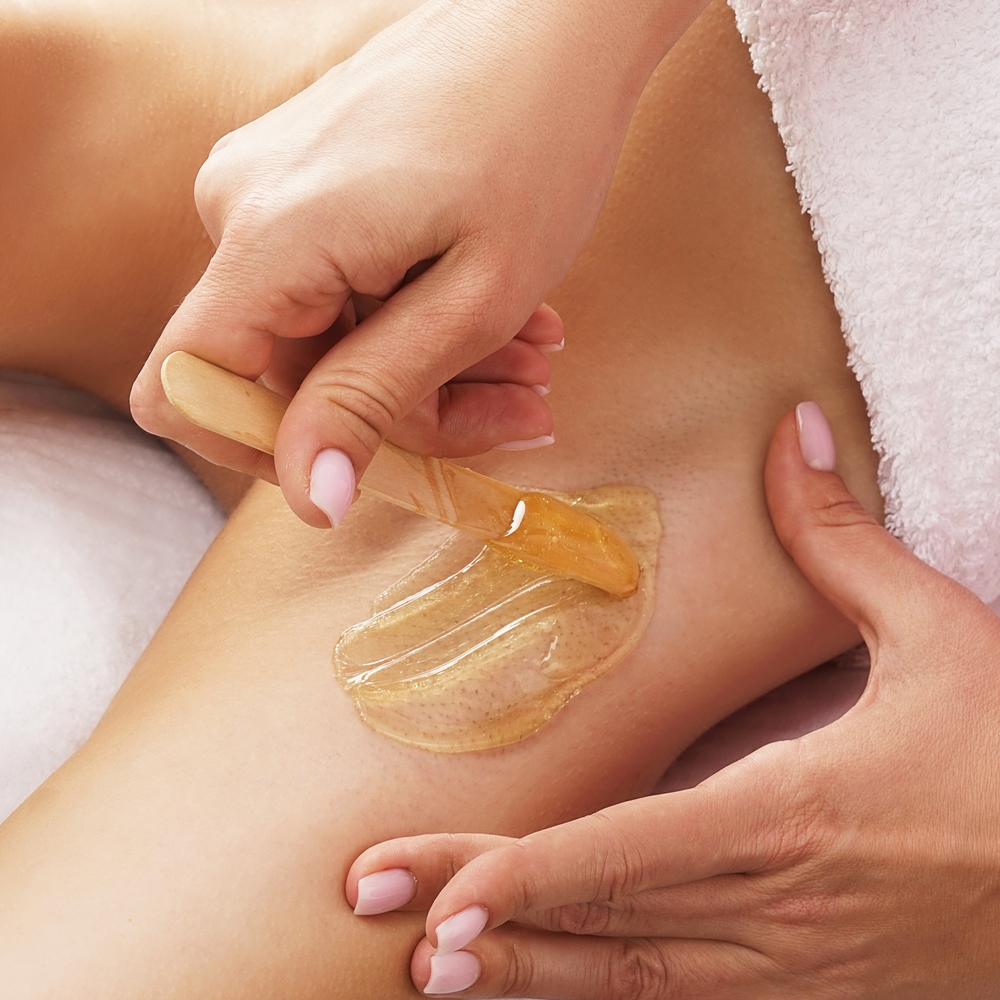
Traditional Hand Method: Sugar paste is moulded by hand and applied against hair growth, then flicked off in direction of growth. Requires specific technique and practice.
Alternative Methods: Some practitioners use strips with thinner sugar paste, similar to soft wax technique. Traditional hand method is most common.
Treatment Process
Preparation: Skin is cleansed and dried. Light powder may be applied to absorb moisture.
Application: Paste is applied against hair growth direction, pressing into hair.
Removal: Quick flick with hair growth direction removes paste and hair together.
Repeat: Same paste can be used across the area, moulded and reapplied as needed.
Post-Treatment: Any residue washes off with water. Soothing products applied if desired.
Learning Sugaring
Sugaring requires specific technique different from waxing:
Hand Method Skills:
- Paste consistency management
- Temperature control
- Flicking technique
- Speed and pressure control
Training Consideration: While waxing skills provide foundation, sugaring technique requires dedicated practice and often specific training.
Business Considerations
Adding Sugaring to Services
Market Demand: Growing client interest makes sugaring an attractive service addition.
Differentiation: Offering sugaring distinguishes you from wax-only competitors.
Premium Positioning: Natural/organic positioning often commands premium pricing.
Pricing Sugaring Services
Sugaring typically prices slightly higher than waxing due to:
- Perceived premium/natural positioning
- Time investment (hand method can be slower)
- Product costs (quality sugar paste)
- Specialist skill
Typical Price Comparison (AUD):
| Service | Waxing | Sugaring |
|---|---|---|
| Bikini | $40-$60 | $50-$70 |
| Brazilian | $60-$90 | $70-$100 |
| Full Legs | $50-$70 | $60-$85 |
| Underarms | $20-$30 | $25-$40 |
Marketing to Natural-Minded Clients
Messaging That Resonates:
- “Natural hair removal”
- “Only 3 ingredients”
- “Gentle on sensitive skin”
- “Ancient Egyptian beauty secret”
- “Clean beauty approved”
Target Audience:
- Eco-conscious clients
- Clean beauty enthusiasts
- Sensitive skin sufferers
- Clients seeking alternatives to waxing
- Health-conscious consumers
Building Hair Removal Expertise
Understanding various hair removal methods—waxing, sugaring, and alternatives—makes you a more valuable professional. Foundational waxing skills provide understanding of hair removal principles applicable across methods.
Our Certificate in Waxing teaches professional hair removal technique, client consultation, and hygiene protocols—essential knowledge for any hair removal service.
Ready to build your professional hair removal skills? Our Certificate in Waxing provides comprehensive training in hair removal techniques, client care, and professional practice. Master the fundamentals that support success in any hair removal service you choose to offer. Enrol in our Waxing course today and start your professional hair removal career.