Dermaplaning has surged in popularity as clients discover this manual exfoliation technique that removes dead skin cells and vellus hair (peach fuzz) for incredibly smooth, glowing skin. The treatment delivers immediately visible results that clients love—making it one of the most satisfying services to perform and receive.
Understanding dermaplaning technique, benefits, and client suitability allows you to offer this high-demand service confidently. The treatment’s dramatic before-and-after potential and minimal downtime make it a standout addition to any facial menu.
At Australian Beauty School, our Certificate in Facials teaches fundamental skincare techniques that support advanced facial services like dermaplaning.
What Is Dermaplaning?
The Treatment Explained
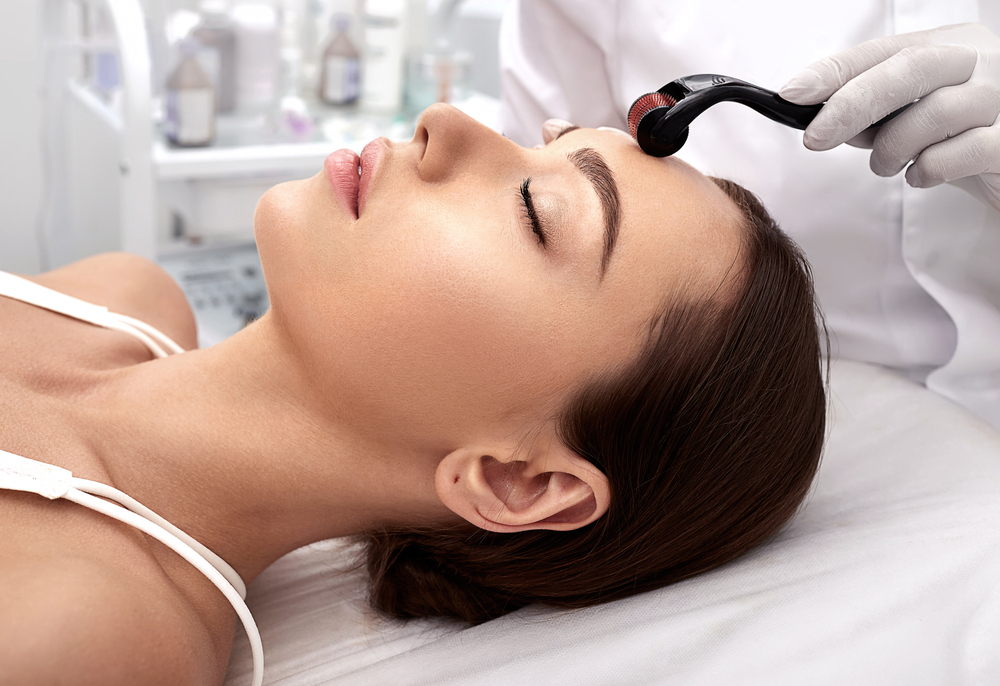
Dermaplaning is a manual exfoliation technique using a sterile surgical blade (usually a #10 blade) to gently scrape the skin’s surface. This removes the top layer of dead skin cells (stratum corneum) along with fine vellus hair, revealing smoother, brighter skin underneath.
What It Is:
- Manual exfoliation using a blade
- Removes dead skin cells
- Removes vellus hair (peach fuzz)
- Creates smooth canvas
- No chemicals involved
What It Isn’t:
- Shaving (different angle, pressure, blade)
- Painful or uncomfortable
- A treatment that causes hair to grow back thicker
How Dermaplaning Works
The Technique: A sterile blade is held at a 45-degree angle to the skin and stroked in short, feathering motions. The blade gently scrapes away dead skin cells and fine hairs without cutting or damaging healthy skin.
Immediate Results:
- Smoother skin texture
- Brighter, more radiant complexion
- Softer skin feel
- Better makeup application
- Enhanced product absorption
Benefits of Dermaplaning
For Client Skin
Immediate Benefits:
- Instantly smoother texture
- Brighter, more even complexion
- Soft, baby-smooth feel
- Radiant glow
Ongoing Benefits:
- Improved product penetration
- Better makeup application and wear
- Stimulated cell turnover
- Reduced appearance of fine lines
- Clearer, more refined skin
Client Experience
Why Clients Love It:
- Visible immediate results
- No downtime
- Relaxing treatment
- Non-invasive
- Suits most skin types
- Makes skin feel amazing
Professional Benefits
Why Technicians Love Offering It:
- High client satisfaction
- Dramatic before/after
- Quick treatment time
- Pairs well with other facials
- Easy upsell opportunity
- Minimal product cost

Dermaplaning Technique
Equipment Needed
Blade: Sterile surgical blade (typically #10 scalpel blade) or dermaplaning-specific blade. Always single-use for hygiene.
Handle: Blade handle (scalpel handle or dermaplaning tool).
Skin Prep: Cleanser, toner/prep solution.
Post-Treatment: Soothing serum, moisturiser, SPF.
Treatment Protocol
Step 1: Consultation and Preparation Assess skin suitability. Cleanse thoroughly. Ensure skin is completely dry—oil or moisture prevents effective treatment.
Step 2: Positioning Work in sections. Keep skin taut using non-dominant hand.
Step 3: Blade Technique Hold blade at 45-degree angle to skin. Use short, feathering strokes. Work downward in direction of hair growth on face. Light, controlled pressure—let blade do the work.
Step 4: Systematic Coverage Work methodically: forehead, temples, cheeks, upper lip, chin, jawline. Avoid eyelids, active breakouts, and compromised skin.
Step 5: Post-Treatment Care Remove debris with damp gauze. Apply soothing serum. Follow with hydrating products and SPF.
Technique Tips
Pressure: Lighter than you think. Heavy pressure can cause irritation or cuts. The blade is sharp—it doesn’t need force.
Angle: Consistent 45-degree angle is key. Too flat skims over skin; too steep can nick.
Strokes: Short, controlled feathering motions. Not long dragging strokes.
Skin Tension: Keep skin taut with non-dominant hand. Loose skin increases nick risk.
Areas to Avoid:
- Active acne/breakouts
- Inflamed skin
- Moles and raised lesions
- Eye area
- Active cold sores
Client Suitability
Ideal Candidates
Dermaplaning Works Well For:
- Normal skin
- Dry skin (removes flaky buildup)
- Dull, lacklustre complexion
- Mature skin (removes buildup, aids absorption)
- Those wanting smoother makeup application
- Those disliking facial peach fuzz
- Pregnant clients (safe alternative to chemical exfoliation)
Contraindications
Avoid Dermaplaning When:
- Active acne or pustular breakouts
- Inflammatory skin conditions (eczema, psoriasis in active state)
- Sunburn
- Recent chemical peels or strong active use
- Open wounds or irritation
- Active cold sores
- Blood-thinning medications (relative)
- Very thin, fragile skin
The Hair Growth Myth
Common Client Concern: “Will my hair grow back thicker/darker?”
The Truth: Vellus hair is cut at the surface, not removed from the follicle. It grows back exactly as it was—fine and soft. Dermaplaning cannot change hair structure. This is physiologically impossible with surface-level removal.
Educate Clients: Explain the difference between vellus hair (fine, unpigmented) and terminal hair (thick, pigmented). Dermaplaning removes vellus hair; it doesn’t affect the follicle or cause vellus hair to become terminal hair.
Client Consultation
Initial Assessment
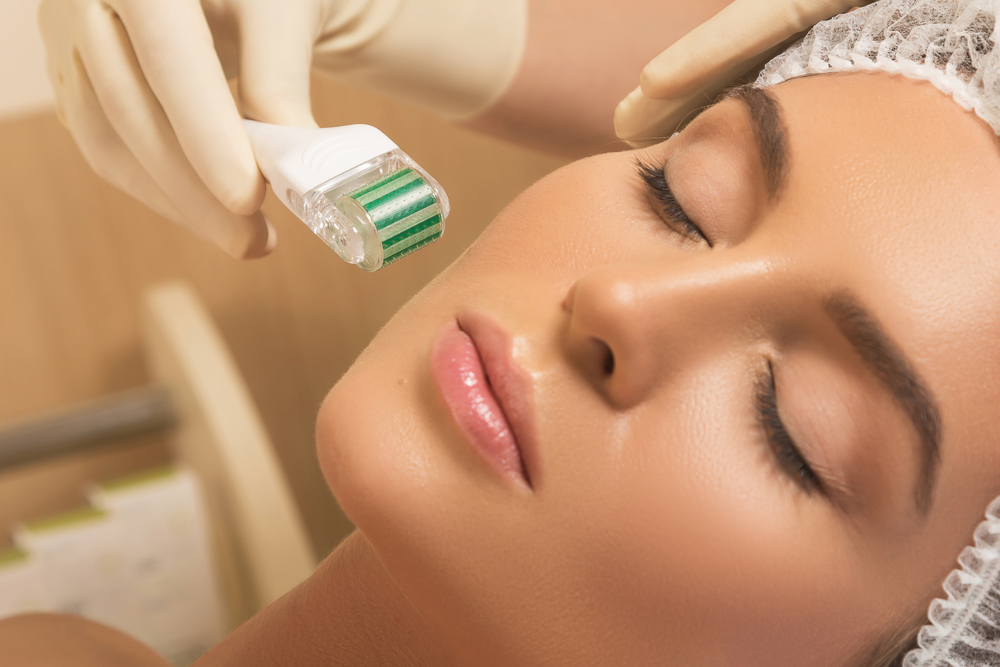
Skin Evaluation: Check for contraindications, assess skin type, discuss client concerns and expectations.
Questions to Ask:
- What’s your current skincare routine?
- Do you use any active ingredients (retinoids, acids)?
- Have you had dermaplaning before?
- What results are you hoping for?
- Any skin conditions or concerns?
Setting Expectations
Explain the Process: “Dermaplaning uses a sterile blade to gently exfoliate dead skin and remove peach fuzz. You’ll feel light scraping sensation—it’s not painful. Your skin will be immediately smoother and glowing.”
Discuss Hair Regrowth: “The fine facial hair grows back exactly as it was—soft and fine. It doesn’t grow back thicker or darker. That’s a myth based on misunderstanding hair types.”
Aftercare: “Your skin will be more receptive to products and more sensitive to sun. Wear SPF daily. Avoid strong actives for a few days.”
Adding Dermaplaning to Services
Service Options
Standalone Dermaplaning: 20-30 minutes, quick service for time-pressed clients.
Dermaplaning Facial: Full facial incorporating dermaplaning as exfoliation step.
Add-On Service: Add dermaplaning to other facials for enhanced results.
Pricing
| Service | Typical Price (AUD) |
|---|---|
| Dermaplaning (standalone) | $60-$100 |
| Dermaplaning Add-On | $40-$60 |
| Dermaplaning Facial | $120-$180 |
| Dermaplane + LED Package | $140-$200 |
Marketing Dermaplaning
Appealing Messages:
- “Baby-smooth skin instantly”
- “The ultimate glow treatment”
- “Makeup applies like a dream”
- “No-downtime radiance”
- “The facial that reveals your best skin”
Visual Content: Dermaplaning creates excellent before/after content—the immediate difference is visible and compelling.
Building Your Skills
Dermaplaning requires steady hands, proper technique, and understanding of skin anatomy. Foundational facial training provides the skin knowledge and client care skills that support safe, effective dermaplaning practice.
Our Certificate in Facials teaches essential facial skills including skin analysis, treatment protocols, and client consultation—the foundation for offering advanced treatments like dermaplaning.
Ready to offer the smooth-skin results clients are requesting? Our Certificate in Facials provides comprehensive training in facial techniques and client care—the foundation for advanced services like dermaplaning. Build your expertise and offer the treatments that create loyal, glowing clients. Enrol in our Facials course today and expand your service menu.