Australia’s tattoo industry is thriving, with nearly one in three adults now tattooed and demand continuing to grow across all demographics. For aspiring tattoo artists, this represents genuine career opportunity — but entering the industry requires more than artistic talent. Licensing requirements, strict hygiene standards, professional insurance, and the ability to build a portfolio that attracts clients are all essential elements of a successful tattoo career. Tattoo courses provide the structured education that covers every aspect of professional tattooing, from technique and safety to business and marketing.
The Australian Tattoo Industry Landscape
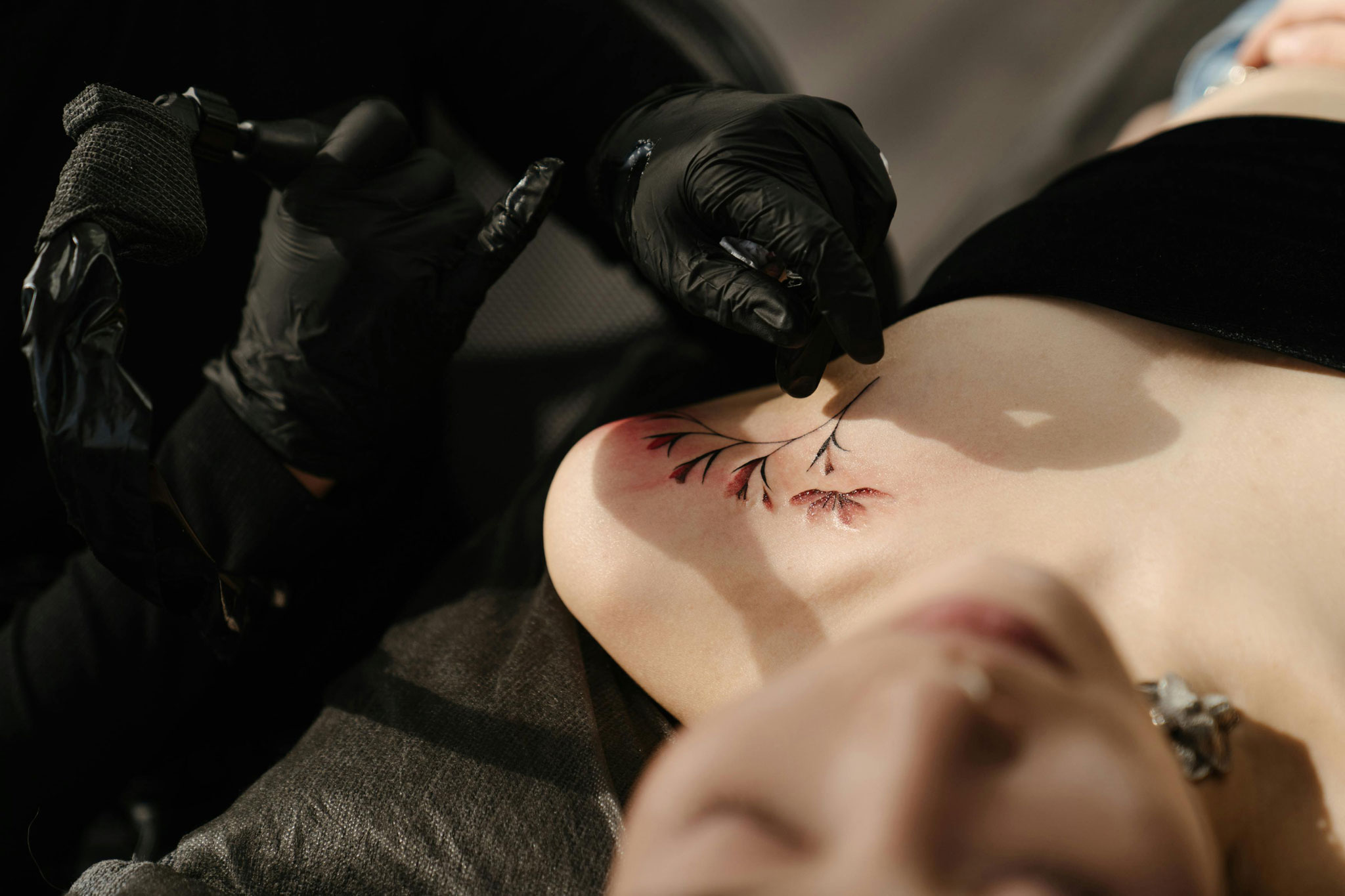
The stigma that once surrounded tattoos has largely disappeared in Australia. Tattooing is now a mainstream personal expression, and the industry encompasses everything from traditional bold work to fine line art, realism, watercolour, geometric designs, and cultural motifs. Studios range from street shops in inner-city laneways to luxury boutique studios in suburban shopping strips.
This diversity means there is a place for artists with virtually any aesthetic preference. However, the most in-demand styles in Australia currently include fine line and minimalist work (particularly popular with women aged 20 to 40), floral and botanical designs, script and lettering, micro-realism, and blackwork and geometric patterns. Tattoo courses that cover these contemporary styles position you for the market as it exists today.
Licensing and Regulatory Requirements
Tattooing is regulated at the state and territory level in Australia, and requirements vary depending on where you operate. Most states require tattooing to be performed in a registered premises that meets specific hygiene and infection control standards.
In New South Wales, tattooing is regulated under the Public Health Regulation, and operators must notify their local council. In Victoria, tattoo businesses must be registered with the local council under the Public Health and Wellbeing Act. Queensland requires licensing under specific health regulations. Western Australia, South Australia, Tasmania, the ACT, and the Northern Territory each have their own frameworks.
Regardless of your state, the core requirements are consistent: a clean, well-ventilated workspace; appropriate waste disposal for sharps and contaminated materials; sterilisation equipment (autoclave) for reusable tools; single-use needles and disposable barriers; and documented infection control procedures.
Tattoo courses cover these regulatory requirements as a core component of the curriculum, ensuring you understand your legal obligations before you begin practising. The Australian Government’s health department provides federal-level guidance on infection control standards.
Infection Control and Hygiene
Tattooing involves puncturing the skin with needles, which creates a direct pathway for bloodborne pathogens including hepatitis B, hepatitis C, and HIV. Strict hygiene protocols are not optional — they are the most important aspect of professional tattooing practice.
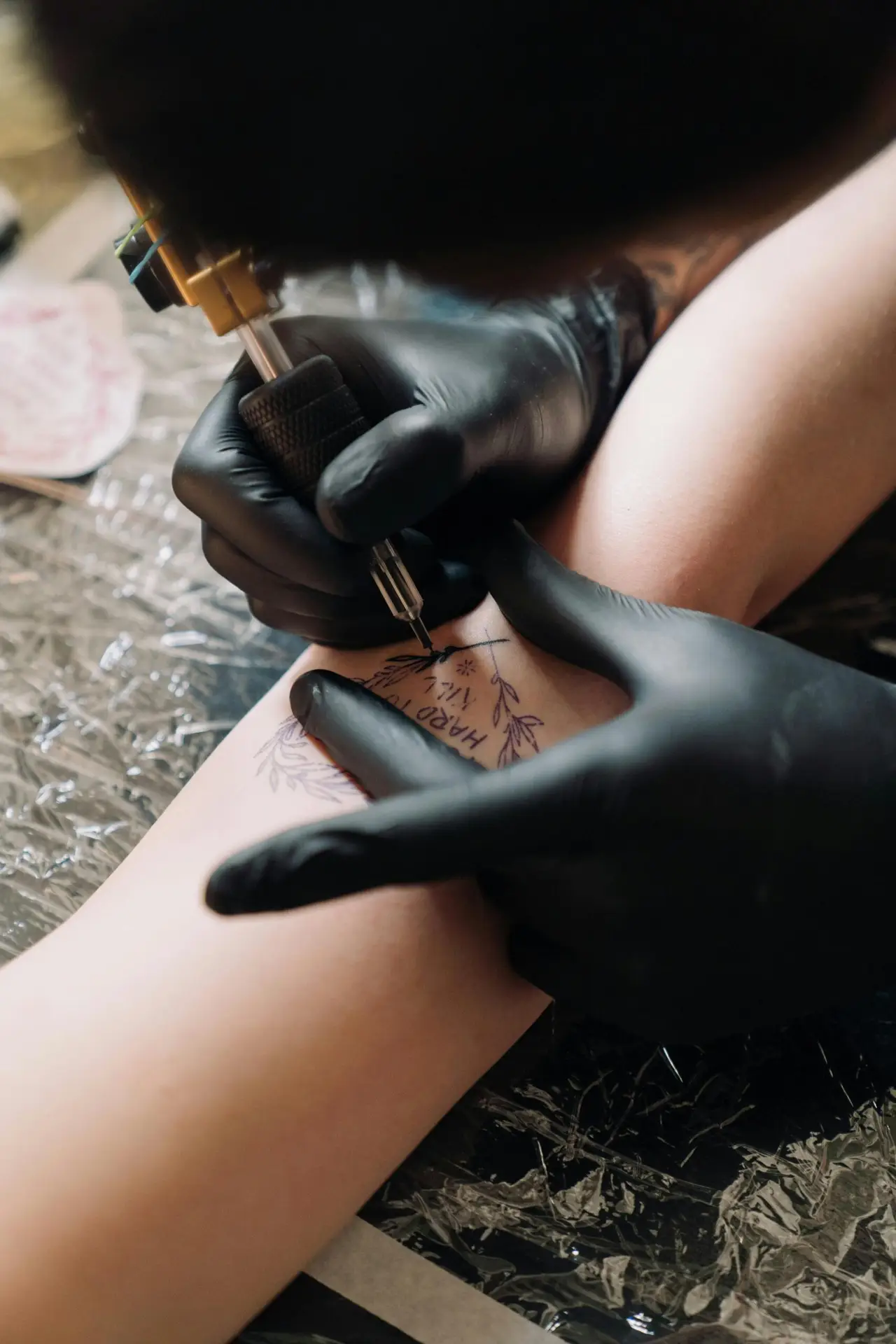
Tattoo courses teach infection control comprehensively. You learn hand hygiene protocols (thorough handwashing before and after every client, use of single-use nitrile gloves throughout the procedure), surface preparation (all work surfaces covered with disposable barriers, changed between clients), equipment sterilisation (autoclaving reusable grips and tubes, using pre-sterilised single-use needles), and waste management (sharps disposal in approved containers, contaminated waste disposed of according to local regulations).
Cross-contamination prevention is emphasised throughout: never touching non-sterile surfaces while wearing contaminated gloves, using single-use ink caps rather than dipping directly into ink bottles, and wrapping machines and power supplies in barrier film that is replaced between clients.
A beauty therapy course covers similar hygiene fundamentals for skin-contact services, and the principles of infection control are consistent across all beauty and body modification practices.
Building Your Tattoo Portfolio
Your portfolio is the single most important factor in attracting tattoo clients. Potential clients evaluate your portfolio before they book, and the quality and style of your work determines whether they trust you with permanent art on their body.
Begin building your portfolio during your training using practice skin — synthetic skin pads designed to simulate the texture and resistance of real human skin. Document every practice piece with high-quality photographs: consistent lighting (natural daylight or a ring light), clean background, sharp focus, and multiple angles.
Progress to tattooing willing volunteers — friends and family who understand you are developing your skills. These early real-skin tattoos should be designs you are confident executing, and they provide invaluable experience with the variables that practice skin cannot replicate: real skin texture, bleeding, client movement, and the psychological pressure of creating permanent work.
Your portfolio should showcase technical skill (clean lines, smooth shading, consistent saturation), design versatility (multiple styles and sizes), and healed results (photographs taken after the tattoo has fully healed, showing how the work settles and ages). Healed photos are especially valued because they demonstrate the long-term quality of your work.
Social media — particularly Instagram — is the primary portfolio platform for tattoo artists. A cohesive, well-curated Instagram feed serves as a 24/7 portfolio that reaches potential clients far beyond your geographic area. For global tattoo community engagement and inspiration, Tattoodo connects artists with clients and showcases trending styles worldwide.

Equipment and Studio Setup
Tattoo courses include a professional equipment kit, but understanding the full range of tools and their purposes is essential for your ongoing practice.
Tattoo machines are the primary tool. Rotary machines are the standard for modern tattooing — they are quiet, versatile, and provide consistent needle movement. Pen-style rotary machines are ergonomically designed and favoured by fine line and detail-oriented artists. Coil machines, while still used by some traditional artists, are less common in contemporary Australian studios.
Needle configurations determine the type of work you can perform. Round liners (RL) are used for outlines and fine detail. Round shaders (RS) are used for shading and filling. Magnum needles (M1, M2) are used for colour packing and larger area shading. Cartridge needle systems — pre-assembled, disposable needle-and-tube units — have become the standard for their convenience and hygiene benefits.
Power supplies control the voltage delivered to your machine, which affects needle speed and depth. Digital power supplies with precise voltage control are preferred for the fine adjustments that detailed work requires.
A fine line tattoo course covers equipment selection, setup, and maintenance in detail, ensuring you invest wisely in tools that support your specific style.
Launching Your Tattoo Career
The tattoo industry rewards artists who combine technical skill with professionalism, hygiene excellence, and strong client relationships. If you are ready to begin your tattoo career with comprehensive training in technique, safety, and business, explore the Certificate in Fine Line Tattooing at Australian Beauty School. With a professional tattoo kit included, flexible online study, and expert guidance from practising tattoo artists, you will build the skills and portfolio needed to enter Australia’s thriving tattoo industry. Speak with a beauty pro today and start creating permanent art.