Bridal and event hairstyling is one of the most lucrative specialisations in the Australian beauty industry. With over 106,000 weddings per year and thousands of school formals, races carnivals, gala dinners, and corporate events, the demand for skilled hair stylists who can create elegant, long-lasting hairstyles is consistently strong. A hair styling course equips you with the technical repertoire and professional confidence to deliver flawless results for every occasion.
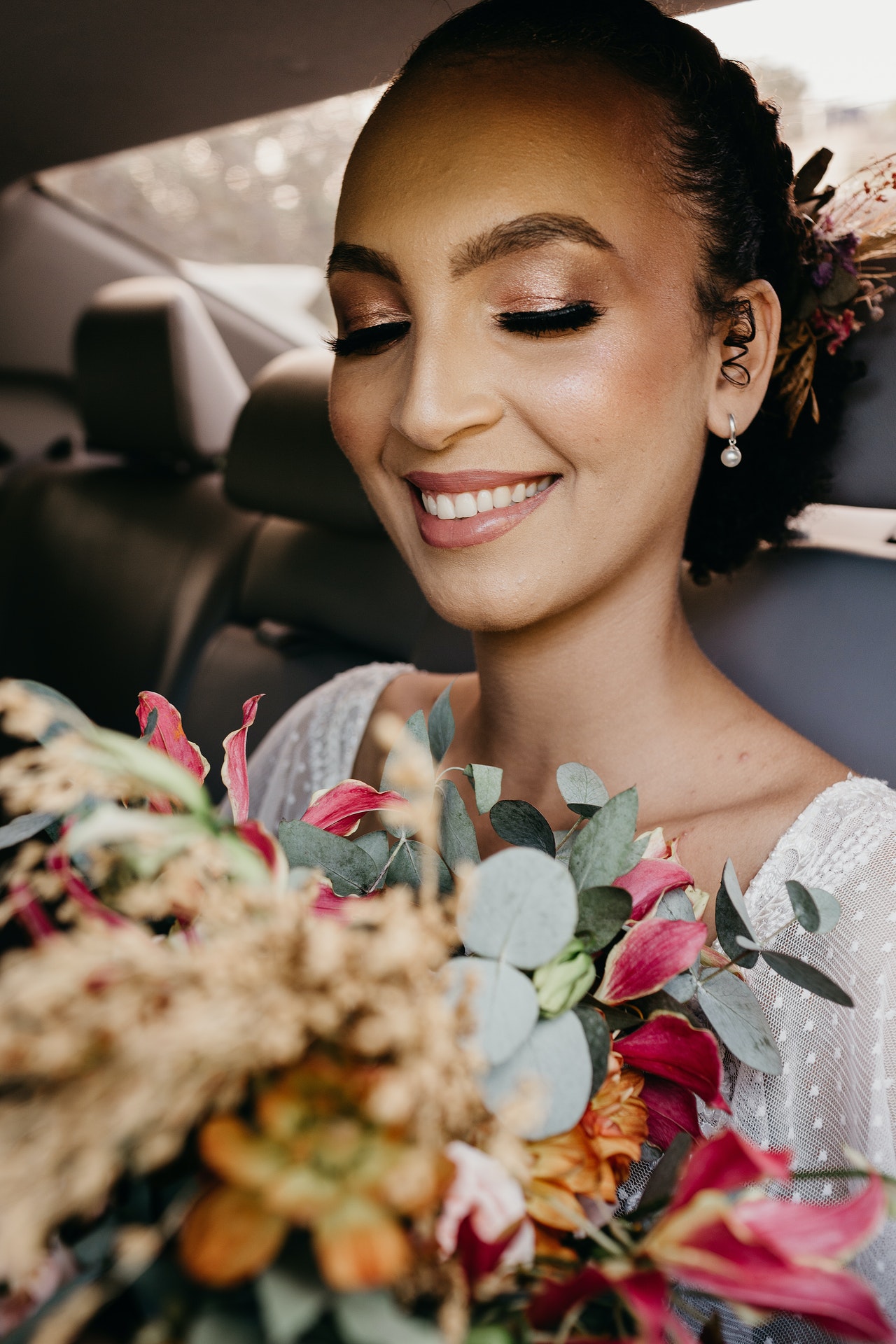
The Bridal Hair Market in Australia
The Australian wedding industry is valued at over $5 billion annually, and hair and makeup services represent a significant portion of the bridal budget. Most brides allocate between $300 and $800 for their personal hair and makeup, with additional charges for bridal party members. A single wedding booking — bride plus four bridesmaids — can generate $1,000 to $2,500 in revenue for a skilled stylist.
What makes bridal work particularly valuable is the referral chain. A bride who loves her wedding hair refers friends and family. Bridal party members who have a great experience book you for their own events. A strong bridal reputation creates a self-sustaining cycle of bookings that can form the foundation of a full-time hairstyling business.
A hair styling course teaches you the specific techniques that bridal and event work demands, from classic updos and romantic waves to modern textured styles and intricate braiding.
Classic Updos: The Foundation of Event Hair
The updo is the cornerstone of bridal and formal event hairstyling. A well-executed updo is elegant, secure, and flattering from every angle — essential when the client will be photographed extensively throughout the day.
The chignon — a low bun at the nape of the neck — is the most timeless and universally flattering updo. A hair styling course teaches you to create chignons that are smooth and polished for formal events or softly textured and loosely gathered for a romantic bridal look. The technique involves sectioning the hair, creating a secure base with bobby pins and elastic, wrapping and pinning sections into the desired shape, and finishing with strategic face-framing pieces.
The French twist is another classic that remains popular for mother-of-the-bride styling and formal corporate events. The technique involves rolling the hair vertically from one side, tucking the ends, and securing with pins along the length of the twist. The result is sophisticated and elongating.
High buns and topknots have experienced a resurgence in bridal styling, particularly for brides wearing statement earrings or detailed back designs on their gowns. The ballerina bun — sleek, high, and perfectly round — requires precise smoothing technique and strong product hold. The textured high bun is a more relaxed variation with deliberate looseness and face-framing tendrils.
Securing updos for all-day hold is a critical skill. You need to understand the strategic placement of bobby pins (inserted with the wavy side against the scalp for maximum grip), the use of hair pins for finishing work, and the role of setting products — texturising spray, hairspray, and dry shampoo for grip on clean hair. For professional product knowledge, GHD’s professional styling resources provide excellent technique guidance.
Romantic Waves and Curls
Soft, flowing waves are the most popular bridal hairstyle in Australia in 2026 — worn down, half-up, or as a base for loose updos. Mastering multiple curling techniques gives you the versatility to create the exact wave pattern each client envisions.
A hair styling course covers curling iron technique for different wave types. A 32mm barrel creates loose, beachy waves. A 25mm barrel produces tighter, more defined curls suitable for vintage-inspired styles. A flat iron wave — created by clamping and bending sections of hair through the straightener — produces an effortlessly tousled, modern wave that is currently one of the most requested styles.
The direction of your curl matters enormously. Curling all sections away from the face creates an open, flattering frame. Alternating the curl direction creates a more natural, undone texture. Curling consistently in one direction (all clockwise or all counter-clockwise) creates a uniform wave pattern suitable for Old Hollywood glamour styles.
Brush-out technique determines the final appearance. Leaving curls intact produces defined ringlets. Brushing through with fingers creates soft, separated waves. Brushing thoroughly with a paddle brush produces smooth, flowing waves reminiscent of classic Hollywood. Each finish is appropriate for different styles and client preferences.

Braiding Techniques for Events
Braids add texture, interest, and dimension to event hairstyles. Whether used as the primary style or incorporated as an accent within an updo or half-up look, braiding skills expand your creative repertoire significantly.
The Dutch braid (an inverted French braid where strands cross under rather than over) creates a raised, three-dimensional braid that photographs beautifully. It is commonly used in boho bridal styles, either as a crown braid across the top of the head or as side braids feeding into a loose low bun.
The fishtail braid creates a delicate, textured pattern that looks intricate but is relatively simple to execute once you learn the technique. A loose, pulled-apart fishtail is one of the most popular bridal accents, draped over one shoulder or incorporated into a half-up style.
Rope braids (two sections twisted in the same direction, then wrapped around each other in the opposite direction) add texture quickly and are useful for creating the appearance of volume and movement in finer hair.
A hair extension course complements your styling skills by teaching you to add length and volume for clients whose natural hair may not support the style they envision. Many bridal stylists offer both styling and extension services, increasing their revenue per client.
The Bridal Consultation and Trial
Professional bridal hairstyling begins weeks or months before the wedding day with a consultation and trial session. A hair styling course teaches the client management skills that make this process smooth and professional.
During the consultation, you discuss the bride’s vision, examine reference images, assess hair type, length, texture, and condition, and consider the overall wedding aesthetic — venue, dress style, veil or headpiece, and makeup look. You provide honest guidance about what will work best for their hair type and the practical demands of the day (outdoor ceremony in wind, humid tropical venue, full day of activity).
The trial session — typically booked four to eight weeks before the wedding — is where you create the agreed style and refine it based on the bride’s feedback. Photograph the trial result from multiple angles so both you and the bride can evaluate the style objectively. Make detailed notes on products used, pin placement, section sizes, and technique so you can replicate the style exactly on the wedding day.
The Australian Bridal Industry Academy (ABIA) provides industry benchmarking and professional development resources for hair and beauty professionals serving the wedding market.

Building Your Event Styling Business
Event hairstyling can be structured as a mobile service (you travel to the client’s location) or a salon-based service. Mobile styling is the standard for bridal work — brides prefer to have their hair done at their getting-ready venue, whether that is a hotel suite, a private home, or the wedding venue itself.
Pricing for bridal styling should account for the trial session (typically charged separately), travel time and costs, the complexity and duration of the style, and the number of bridal party members. Developing clear packages with transparent pricing — displayed on your website and provided in writing during the consultation — establishes professionalism and manages client expectations.
A strong online presence is essential. Your Instagram portfolio should showcase your strongest bridal work with consistent, well-lit photography. Your website should clearly present your services, pricing, and booking process. Testimonials from happy brides build social proof and trust with prospective clients.
Building relationships with wedding planners, photographers, makeup artists, and venues creates a referral network that generates consistent bookings. Many wedding vendors maintain preferred supplier lists, and being featured on these lists puts you directly in front of clients who are actively planning their wedding.
For marketing strategies specific to the Australian beauty and wedding industry, the Beauty Industry Council provides professional resources.
Master Bridal and Event Hair
Bridal and event hairstyling offers creative fulfilment, flexible scheduling, and excellent earning potential. If you are ready to learn the updos, waves, braids, and client management skills that this specialisation demands, explore the Certificate in Professional Hair Styling at Australian Beauty School. With a professional styling kit included, flexible online study, and expert guidance from experienced stylists, you will be creating stunning event hair with confidence. Speak with a beauty pro and start your hairstyling career today.